Which Intake Is Best to Study in Germany?
The Winter Intake is the best intake to study in Germany for international students. It offers the widest range of programs, more seats, stronger scholarship availability, and better access to part-time jobs and internships. With over 400,000 international students in Germany, most begin in Winter because nearly 80% of programs open during this period, including top courses in engineering, IT, business, and STEM. Since it aligns with major hiring cycles, the Winter Intake also provides stronger industry exposure and early career opportunities.
The Summer Intake offers fewer programs but is suitable for students seeking faster processing or specific technical and applied sciences courses. However, for overall flexibility, career alignment, and broader opportunities, the Winter Intake remains the preferred and most beneficial choice for international students.
*Want to study in Germany? Let Y-Axis guide you through entire process.
How many Study Intakes are there in Germany?
Germany offers two main study intakes for international students: the Winter Intake and the Summer Intake. Each intake has its own advantages, deadlines, and course availability, helping students choose the timeline that suits their academic goals.
1. Winter Intake (September/October)
- Major intake with the highest number of courses and seats
- Ideal for engineering, IT, business, STEM, and most bachelor’s and master’s programs
- Better scholarship availability and structured university support
- Aligns with hiring cycles, offering stronger industry interaction opportunities
2. Summer Intake (March/April)
- Offered by fewer universities with limited programs
- Suitable for students seeking faster processing and less competition
- Popular for technical, applied sciences, and select master’s programs
- Ideal for students who missed Winter deadlines or already have documents ready
Why the Winter Intake is considered the major Intake in Germany?
The Winter Intake (September/October) is the primary academic session in Germany and the most popular choice for international students. It offers the widest selection of programs, more seats, and better overall opportunities for academic, financial, and career growth.
- Universities open 70–80% of their programs, including top courses in engineering, IT, business, and STEM
- Higher availability of scholarships and funding options from DAAD and institutions
- Better access to part-time jobs, internships, and early industry exposure
- More accommodation options and comprehensive orientation support for new students
How to Choose the Right Study Intake in Germany?
Choosing the right study intake in Germany depends on your course availability, application readiness, and long-term goals. Comparing key factors and timelines helps international students select the intake that best supports their academic and career plans.
Key Factors to Consider When Choosing an Intake in Germany:
These factors help you understand which intake aligns best with your course, scholarships, and job opportunities.
|
Factor |
Winter Intake |
Summer Intake |
|
Program Availability |
High |
Limited |
|
Admission Chances |
High |
Higher for eligible courses |
|
Scholarship Opportunities |
High |
Medium |
Application Timelines for Both Intakes in Germany:
These timelines help you plan your applications, documents, and visa process in advance.
|
Process Stage |
Winter Intake |
Summer Intake |
|
Applications Open |
December – March |
June – October |
|
Admission Decisions |
May – July |
November – January |
|
Visa Processing |
June – September |
January – March |
|
Course Start |
September / October |
March / April |
Top Universities Offering Winter and Summer Intakes in Germany
Germany’s universities follow structured admission cycles, with most opening their major programs in the Winter Intake and select institutions offering limited options in the Summer Intake. Knowing which universities accept applications in each intake helps students plan their timelines and choose programs more effectively.
Universities for Winter Intake:
- Technical University of Munich (TUM): Leading programs in engineering, IT, and sciences
- RWTH Aachen University: Renowned for engineering, innovation, and research excellence
- Heidelberg University: Strong in sciences, humanities, and medical fields
- Humboldt University of Berlin: Known for social sciences, research, and interdisciplinary studies
- University of Stuttgart: Popular for engineering, technology, and aerospace programs
Universities for Summer Intake:
- Universities of Applied Sciences (FH): Offer technical and industry-focused programs
- University of Kassel: Known for engineering, environmental sciences, and applied research
- Leipzig University: Select master’s and language programs available in Summer
- TU Kaiserslautern (RPTU): Strong in computer science, engineering, and applied mathematics
*Planning to study in Germany? Sign up with Y-Axis to guide you through the process.
List of Popular Courses Offered in Germany’s Winter and Summer Intakes
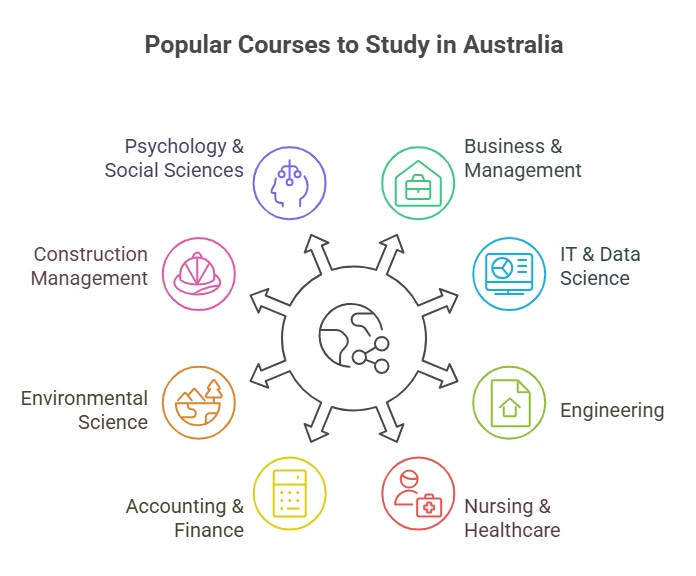
Germany offers a wide range of programs across both intakes, but the Winter Intake provides the highest number of courses and seats. The Summer Intake focuses on select technical, applied sciences, and specialized master’s programs.
Popular Courses across Germany’s Winter and Summer Intakes:
- Engineering: Mechanical, Electrical, Automotive, Aerospace, Mechatronics, Robotics
- Computer Science & IT: Software Engineering, AI, Data Science, Cybersecurity, Embedded Systems
- Business & Management: International Business, Finance, Marketing, Supply Chain Management
- Sciences & STEM: Biotechnology, Physics, Chemistry, Mathematics, Environmental Engineering
- Applied Sciences: Industrial Engineering, Renewable Energy, Material Sciences
- Language & Foundation Programs: German language courses and preparatory foundation pathways
Eligibility Requirements to Study in Germany for International Students
To apply for Germany’s Winter or Summer Intake, international students must meet specific academic, language, and financial requirements. These ensure you qualify for admission and can successfully complete the visa process.
Academic Qualifications: You must have a recognized high school certificate for bachelor’s programs or a relevant bachelor’s degree for master’s studies.
Language Proficiency: You need IELTS/TOEFL for English-taught courses or TestDaF/DSH/Goethe certificates for German-taught programs.
Financial Proof: You must show proof of funds through a blocked account or equivalent accepted financial documentation.
Valid Documents: You need a valid passport, transcripts, CV, SOP, LORs, and any program-specific documents.
Additional Requirements: Some programs may require portfolios, entrance exams, or prerequisite subjects depending on the field of study.
Step-by-Step Application Process for Germany Intakes
Step 1: Choose Your Program and Intake
Step 2: Prepare Required Documents
Step 3: Apply via Uni-Assist or University Portal
Step 4: Wait for the Admission Decision
Step 5: Arrange Financial Proof
Step 6: Apply for the German Student Visa
Which Intake Offers More Scholarships in Germany?
The Winter Intake offers more scholarships in Germany for international students. Most major funding bodies, including DAAD, Deutschlandstipendium, and several university-specific scholarships, align their application cycles with the Winter semester. Since the Winter Intake has the highest number of programs and applicants, universities release more funding opportunities, research grants, and merit-based awards during this period.
The Summer Intake does provide some scholarships, but options are limited compared to Winter. For students seeking the best chances of financial support, the Winter Intake remains the stronger choice.
Read more….
Top 10 scholarships to study in Germany
FAQs
Which intake is best to study in Germany for international students?
The Winter Intake is the best intake to study in Germany for most international students. It offers the widest range of programs, higher admission chances, and better scholarship opportunities. Universities open most bachelor’s and master’s seats during this intake, making planning easier for Germany study intakes. The Summer Intake is useful but offers fewer courses. For flexibility, choice, and opportunities, Winter is the preferred option.
How many study intakes are there in Germany?
Germany has two main study intakes: the Winter Intake (September/October) and the Summer Intake (March/April). Winter is the major intake with more courses and seats, while Summer provides limited but valuable options. Understanding these Germany study intakes helps international students plan applications, scholarships, and visas. Most students prefer Winter, but Summer works well for specialized or technical programs.
Why is the Winter Intake considered the major intake in Germany?
The Germany Winter Intake is considered the major intake because universities offer the most programs, seats, and scholarships during this period. It includes a full range of bachelor’s and master’s courses across engineering, IT, business, and sciences. Admission chances are higher, and accommodation is more available. This makes Winter the best intake to study in Germany for international students seeking broader options.
What is offered in the Summer Intake in Germany?
The Germany Summer Intake offers fewer programs but is ideal for technical fields, applied sciences, and selected master’s courses. International students choosing this intake benefit from lower competition and faster admission decisions. Although not as extensive as Winter, it remains a valuable study intake in Germany for those who are ready early or seeking specific STEM-focused programs at universities of applied sciences.
When should international students apply for Germany Winter Intake?
International students should apply for the Germany Winter Intake between December and March, depending on the university. This gives enough time for document evaluation, Uni-Assist processing, and visa preparation. Since Winter is the best intake to study in Germany, applying early increases admission chances. Results usually come between May and July, giving students time to prepare finances, accommodation, and travel.
Which intake is better for master’s students in Germany?
For master’s applicants, the Winter Intake is generally the best intake to study in Germany. Most universities open their main master’s programs—engineering, computer science, data science, and business—during this period. Scholarships and research positions also align with Winter. The Summer Intake suits students targeting specialized or technical fields, but overall, Winter offers more choices for international students seeking master’s programs.
Are more courses available in the Winter or Summer intake in Germany?
More courses are available in the Germany Winter Intake, making it the top choice for international students. Universities release most bachelor’s and master’s programs in Winter, covering engineering, IT, business, architecture, and science fields. The Summer Intake provides limited options, mainly in technical and applied sciences. If course flexibility matters, Winter is the best intake to study in Germany.
Is the Summer Intake good for international students applying to Germany?
Yes, the Germany Summer Intake is good for international students who want quicker processing or who missed Winter deadlines. While it offers fewer programs, it’s ideal for technical fields and applied sciences. Competition is lower, and admission decisions are faster. Although Winter remains the best intake to study in Germany, Summer is still a strong option depending on your chosen course and readiness.
Which intake has better scholarship opportunities in Germany?
The Winter Intake provides better scholarship opportunities for international students. Most funding bodies, including DAAD and university-specific scholarships, align their timelines with Winter admissions. Because universities offer more programs and seats, financial support options are wider. If scholarships are a priority, Winter is the best intake to study in Germany. Summer has fewer openings, making Winter more advantageous for funding.
How do I choose the right study intake in Germany?
To choose the right study intake in Germany, check whether your program is available in Winter, Summer, or both. Winter offers more courses, scholarships, and admission chances, making it the best intake to study in Germany. Summer suits students seeking quick admissions or specialized programs. Also consider your document readiness, visa timelines, and preferred start date. Match these factors to your academic goals to make the best choice.